

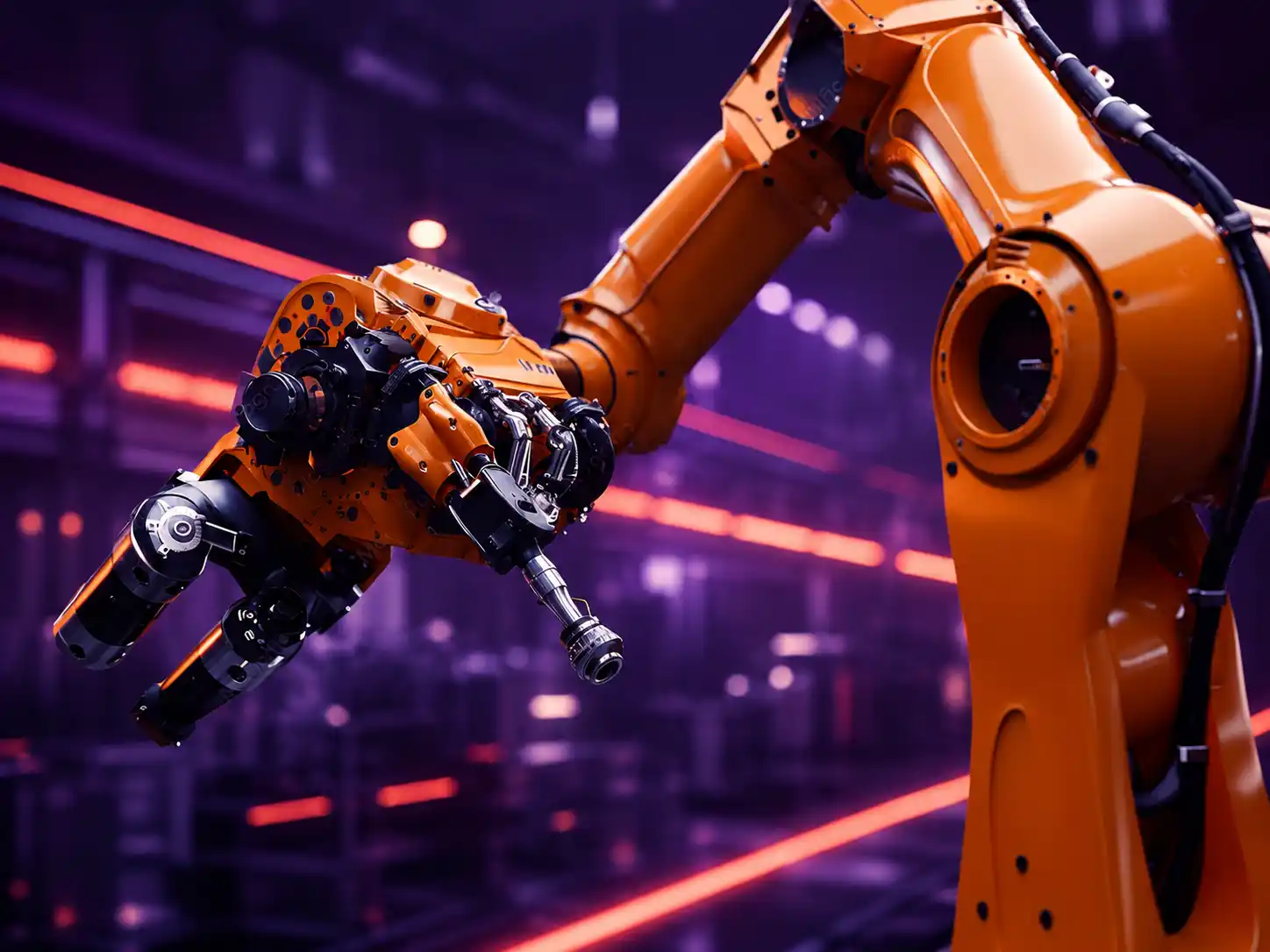
Manufacturing is becoming more intelligent. The next wave of industrial growth will not be driven only by larger factories or higher capacity; it will be shaped by smarter systems, better data, automation, and stronger execution visibility.
For smart manufacturing startups, this creates a meaningful opportunity. Founders can help industrial businesses improve productivity, reduce downtime, strengthen quality, and make better operating decisions across the factory floor.
At BXI Ventures, we see smart manufacturing as a strong intersection of technology and real-economy growth. The most promising startups in this space will not simply digitize industrial processes. They will help manufacturers build more efficient, reliable, and scalable operating models.
Why Smart Manufacturing Matters Now
Manufacturing businesses are under pressure to improve speed, cost, quality, and reliability. Customers expect consistent delivery, supply chains require resilience, and global competitiveness increasingly depends on operational precision.
Technology can play a major role in solving these challenges. AI, IoT, robotics, machine vision, sensors, and automation tools can help manufacturers move from reactive operations to more predictive and controlled systems.
The opportunity is especially relevant in India, where manufacturing growth will require not just capacity creation, but productivity improvement at scale.
From manual visibility to real-time intelligence
Many factories still rely on delayed reporting, manual checks, and fragmented information. By the time a problem is visible, it may have already affected output, quality, or delivery timelines.
Smart manufacturing solutions can give operators real-time visibility into machine performance, production bottlenecks, inventory movement, quality issues, and energy use. This allows teams to act faster and make decisions based on live data rather than assumptions.
From downtime to predictive maintenance
Unplanned downtime can be expensive. It affects production schedules, customer commitments, machine utilization, and margins.
Startups using sensors, data analytics, and AI-led prediction can help manufacturers identify early signs of machine failure. This shifts maintenance from reactive repair to planned intervention, reducing disruption and improving asset performance.
From inconsistent quality to automated inspection
Quality is central to manufacturing competitiveness. As Indian manufacturers serve larger customers and export markets, consistency, traceability, and compliance become more important.
Machine vision, automated inspection, and quality analytics can help reduce defects, improve traceability, and strengthen customer confidence. For startups, this is a high-value area because quality failures are costly and visible.
From isolated tools to scalable systems
The strongest smart manufacturing startups will build solutions that integrate into real industrial environments. A good product must work with existing machines, workflows, teams, and customer constraints.
Scalability will depend on repeatable deployment, measurable return on investment, and the ability to serve multiple factories or manufacturing segments without heavy customization every time.
Smart Manufacturing Snapshot
Smart manufacturing startups create value by helping industrial businesses improve visibility, productivity, quality, and control across their operations.
Visibility
Real-time dashboards that show production performance, machine health, bottlenecks, and operating risks.
Productivity
Automation and workflow tools that help factories improve throughput and use capacity more efficiently.
Quality
Machine vision, inspection systems, and analytics that reduce defects and improve consistency.
Reliability
Predictive maintenance and monitoring tools that reduce downtime and improve asset performance.
Scalability
Repeatable deployment models that can work across factories, production lines, and industrial sectors.
Outcome: Intelligent Industrial Scale Smart manufacturing startups can help industrial businesses move from fragmented operations to more connected, data-led, and scalable execution.
What This Means for Founders
Smart manufacturing founders must solve problems that are specific, measurable, and commercially important. Industrial customers want clear proof that a solution improves cost, uptime, output, quality, or compliance.
The strongest founders will understand the factory environment deeply. They will know who the buyer is, how implementation works, what resistance may appear on the shop floor, and how to prove return on investment quickly.
What Smart Manufacturing Founders Should Pressure-Test
| Evaluation Area | What Investors Want to See | Founder Reflection |
|---|---|---|
| Use Case | A clear industrial problem linked to productivity, quality, uptime, cost, or visibility. | Is the use case important enough to become a budget priority? |
| ROI | Measurable impact on downtime, defects, throughput, labour efficiency, or energy use. | Can the customer see value within a clear timeline? |
| Deployment | A practical implementation model that works within existing machines, teams, and workflows. | Can the solution be adopted without major disruption? |
| Integration | Ability to connect with factory systems, sensors, machines, dashboards, or enterprise software. | Does the product fit into the customer’s operating environment? |
| Scale | A repeatable model that can expand across plants, sectors, or customer groups. | Can growth happen without rebuilding the solution each time? |
The BXI Ventures Perspective
Smart manufacturing sits at the intersection of technology, operations, and industrial growth. It is a space where startups can create value not through abstract innovation, but by solving practical problems that affect productivity and competitiveness every day.
At BXI Ventures, we are interested in founders building manufacturing and industrial technology businesses that can improve real operating outcomes. This includes solutions across AI, IoT, robotics, automation, machine vision, predictive maintenance, quality systems, and factory intelligence.
The next phase of manufacturing growth will require companies that can operate with more visibility, control, and efficiency. Startups that enable this shift can become important partners to India’s industrial economy.
BXI Ventures partners with founders building smart manufacturing businesses that improve productivity, quality, and scalable industrial execution.